
Understanding the PG Rating in Singapore: A Complete Guide
When it comes to media content, age-appropriate viewing is a critical consideration for both parents and individuals alike. In Singapore, the PG rating is an important part of this classification system. This article will provide you with an in-depth understanding of the PG rating in Singapore, including its meaning, the criteria used to assign it, and its importance for content viewers.
What is the PG Rating?
The PG (Parental Guidance) rating in Singapore is part of the media classification system that aims to provide guidance to parents on whether a film, TV show, video game, or other forms of media are suitable for children. A PG rating indicates that the content is generally safe for children but may contain elements that require parental supervision.
The rating is designed to alert parents to the presence of certain content that could be inappropriate or distressing for younger viewers. However, the content is not deemed explicitly harmful or unsuitable for children over the age of 7 years.
Key Features of the PG Rating:
- Parental Guidance: Content is suitable for children over 7 years old, but parents should consider its appropriateness.
- Mild Language & Themes: May include mild violence, language, or thematic material that requires supervision.
- Not Explicit: Does not contain explicit sexual content, excessive violence, or disturbing themes.
The PG rating ensures that parents have the necessary tools to make informed decisions about what their children watch.
Why is the PG Rating Important?
The PG rating serves several purposes in Singapore’s media classification system. It provides parents with guidance on the suitability of content and helps them make decisions based on their child’s age and maturity level.
Importance for Parents:
- Peace of Mind: Parents can ensure that the content is suitable for their child’s age group without having to watch everything in advance.
- Age-Appropriate Choices: It allows parents to choose content based on the child’s age and what is deemed appropriate for their development.
- Safeguarding Emotional Health: Content with a PG rating minimizes the risk of children being exposed to disturbing or inappropriate material.
In Singapore, this system is regulated by the Infocomm Media Development Authority (IMDA), which is responsible for ensuring that content is categorized appropriately and consistently.

How is Content Rated PG in Singapore?
The process of rating content in Singapore follows specific guidelines set by the IMDA. The IMDA evaluates media based on several factors such as language, violence, sexual content, and themes that may be emotionally disturbing for younger audiences.
Factors Considered for the PG Rating:
- Language: Mild profanity, swearing, or inappropriate slang that is not excessive or vulgar.
- Violence: Content that may include mild or implied violence, but without gore or graphic depictions.
- Sexual Content: Suggestive content or mild references to sexuality, but without explicit scenes.
- Themes: Emotional themes or subjects that may be challenging for young children to process, such as family struggles, loss, or bullying.
The PG rating is designed to ensure that young viewers are not exposed to content that is too mature for their understanding while allowing them to experience films and shows that challenge their imagination and growth.
The IMDA’s Role in Content Classification
The Infocomm Media Development Authority (IMDA) is responsible for regulating and assigning the appropriate ratings for films, TV shows, and other media in Singapore. The IMDA uses a set of clear criteria to ensure that content is classified appropriately for different age groups.
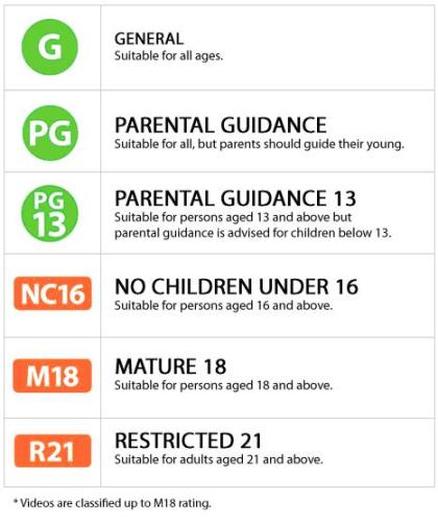
IMDA Classification System:
- G (General): Suitable for all ages.
- PG (Parental Guidance): Suitable for children with parental guidance.
- PG13: Suitable for children above 13, with parental guidance for younger viewers.
- M18: Suitable for viewers aged 18 and above.
- R21: Restricted to viewers aged 21 and above.
The IMDA’s approach is designed to balance creative freedom with the responsibility of protecting younger audiences from inappropriate content.
Common Misconceptions About the PG Rating
There are several misconceptions regarding the PG rating that might cause confusion among parents and media consumers.
Misconceptions:
- PG Means Completely Safe for Kids: While PG content is generally safe, it may still contain mild themes or language that some parents may not find suitable.
- All PG Content is Equal: The PG rating doesn’t mean all content is the same. There are variations, such as PG with parental guidance for specific topics (like intense themes or language).
- PG Content is for All Children: The PG rating is typically meant for children 7 and older. Younger children may not be ready for certain content, depending on their sensitivity.
It’s important for parents to review content before allowing their children to watch it, even if it has a PG rating.
Examples of PG Content in Singapore
To better understand the scope of the PG rating, here are some examples of media that have received this classification in Singapore.
Movies:
- The Lion King (2019): A visually stunning remake of the classic animated film with mild themes of family and loss.
- Toy Story 4: A family-friendly animated movie with some mild peril and emotional themes.
TV Shows:
- The Mandalorian: The Star Wars spin-off series features action and mild violence, making it suitable for a PG rating.
- The Good Dinosaur: An animated adventure film with gentle themes of friendship and courage.
These examples are perfect for families with children aged 7 years and older, although parents should still assess their child’s emotional maturity before allowing them to watch.
FAQs About the PG Rating in Singapore
1. What is the difference between PG and PG13?
The PG rating is suitable for children aged 7 years and older, with guidance from parents. PG13, on the other hand, is aimed at children over 13 years old and may involve more mature themes, language, or mild violence.
2. Can PG movies have violence?
Yes, PG-rated movies may contain mild or implied violence, but it should not be graphic or intense. The violence should not be disturbing for younger viewers.
3. Are all PG-rated movies suitable for my child?
While PG-rated content is generally safe, parents should still use their discretion, especially if the child is younger or sensitive to certain themes like loss, danger, or mild language.
4. How can I check the ratings of media in Singapore?
You can check the IMDA ratings for movies, TV shows, and video games on the IMDA website or through various entertainment platforms that provide this information upfront.
Conclusion
The PG rating in Singapore provides essential guidance for parents looking to ensure that their children are consuming appropriate media. While PG-rated content is generally safe for children aged 7 years and older, it’s still important for parents to review the content based on their child’s maturity and sensitivities. By understanding the PG rating and the IMDA’s classification system, parents can make more informed decisions about their children’s media consumption.
For more information on the IMDA classification system, visit their official website.
Comment (0)