
Visiting Relatives During Chinese New Year: Traditions, Etiquette, and Tips
Chinese New Year is a time for family reunions, celebrations, and honoring traditions. One of the most important customs during this festive period is visiting relatives. This practice, which is filled with meaning and significance, strengthens family bonds and celebrates the importance of family ties in Chinese culture.
In this guide, we’ll explore the significance of visiting relatives during Chinese New Year, share traditional etiquette, and provide tips to make your visit even more meaningful. Whether you’re visiting family members near or far, understanding these customs will help you embrace the true spirit of the celebration.

Why Visiting Relatives is Essential During Chinese New Year
Chinese New Year, or Spring Festival, is the most important celebration in Chinese culture. It marks the beginning of the lunar new year and is an occasion for people to return to their hometowns and visit their relatives. This time of year emphasizes unity, renewal, and respect for elders.
- Reunion and Bonding: The holiday serves as a time to reunite with family members, especially those who live far away. Many people travel long distances to be with their loved ones, ensuring that the family comes together.
- Respect for Elders: Visiting older relatives, such as grandparents and parents, is a key aspect of Chinese New Year. Offering them respect and blessings symbolizes the continuation of family traditions and ensures that the younger generation shows gratitude and reverence.
- Honoring Ancestors: Many families also visit ancestral homes or temples to honor deceased family members, a practice that is deeply ingrained in Chinese customs.
This practice of visiting relatives fosters a sense of community and continuity, making it a central element of Chinese New Year celebrations.
The Etiquette of Visiting Relatives During Chinese New Year
When visiting relatives during Chinese New Year, it’s important to observe proper etiquette. These practices are designed to show respect, maintain harmony, and ensure that everyone feels welcomed and appreciated.
Key Etiquette Practices
- Bringing Gifts: It’s customary to bring gifts when visiting relatives, especially those who are older. The gifts should be thoughtful and represent goodwill. Common gifts include fruits, tea, and red packets (known as hongbao), which contain money.
- Dressing Well: While casual attire is acceptable, many people choose to wear their best clothes, often in bright colors like red, which is considered lucky. This demonstrates respect and contributes to the festive atmosphere.
- Polite Greetings: When you greet your relatives, use polite phrases such as “Gong Xi Fa Cai” (wishing you wealth) or “Sheng Ti Jian Kang” (wishing you good health). These traditional greetings express good wishes for the new year.
- Offering Help: If you’re visiting an elder relative’s home, it’s polite to offer help with preparation, whether it’s setting the table or serving food. This shows appreciation for their hospitality.
By adhering to these etiquettes, you can ensure that your visit is harmonious and respectful, reflecting the values of Chinese New Year.
What to Gift When Visiting Relatives
Gift-giving is an integral part of Chinese New Year visits. The tradition of exchanging gifts symbolizes good fortune, prosperity, and the wish for a better year ahead. However, not all gifts are appropriate, so it’s important to follow certain guidelines.
Ideal Gifts for Relatives
- Red Packets (Hongbao): Giving red envelopes containing money is one of the most cherished customs. The money symbolizes luck and prosperity, and the red color of the envelope represents good fortune.
- Tea: High-quality tea is often gifted, especially to elders. Tea holds cultural significance and is associated with longevity and health.
- Fresh Fruits: Fruits, particularly those that are round or orange, are considered symbols of good fortune and abundance. Common choices include oranges, tangerines, and apples.
- Traditional Chinese Sweets: Gifting traditional sweets like nian gao (glutinous rice cake) or tangyuan (sweet rice dumplings) symbolizes unity and a sweet life in the coming year.
When choosing a gift, always consider the preferences and needs of your relatives. A thoughtful gift shows that you care about them and wish them well in the new year.
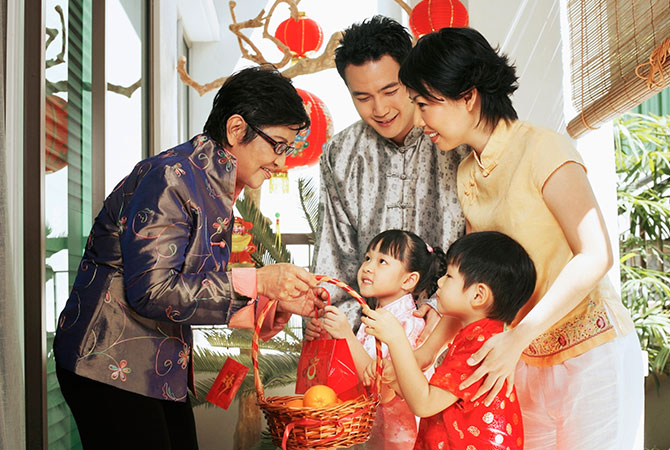
The Importance of Visiting Relatives for Young People
For younger generations, visiting relatives during Chinese New Year is a way to learn about family traditions and show respect for elders. The practice is also an opportunity for young people to receive blessings and hongbao from their relatives.
How Young People Benefit from Visiting Relatives
- Receiving Blessings: Younger family members receive well-wishes for good fortune, health, and success in the new year. These blessings are often accompanied by hongbao as a sign of good luck.
- Learning Family History: Visiting elders gives young people a chance to hear stories about family history and traditions, which helps preserve cultural heritage.
- Strengthening Family Bonds: These visits strengthen relationships within the family, creating a sense of unity and connection across generations.
By maintaining the tradition of visiting relatives, young people not only show respect but also gain valuable insights into their family’s legacy and cultural practices.
What to Expect During a Visit
When you visit relatives during Chinese New Year, expect a warm welcome filled with food, conversation, and laughter. Here’s a closer look at what typically happens during a visit:
- Festive Meals: Meals are a central part of the celebration, with an emphasis on abundance and sharing. Expect to enjoy a wide variety of dishes, including dumplings, fish, and vegetables symbolizing wealth, prosperity, and longevity.
- Games and Entertainment: Some families engage in traditional games, such as mahjong, or watch Chinese New Year television programs and performances.
- Family Time: Visiting relatives provides an opportunity to bond and spend quality time together. You may share stories, catch up on each other’s lives, and reminisce about past Chinese New Year celebrations.
It’s important to approach these visits with an open heart and a positive attitude. Embrace the opportunity to connect with your family and celebrate the holiday together.
Frequently Asked Questions (FAQs)
1. How do I prepare for a visit to relatives during Chinese New Year?
When preparing for a visit, remember to bring gifts, dress well, and offer polite greetings. It’s also a good idea to bring something to share, like a sweet treat or snacks.
2. Can I visit relatives on the first day of Chinese New Year?
Yes, visiting relatives on the first day of Chinese New Year is very common. It’s a great time to offer your best wishes for the new year and strengthen family bonds.
3. What if I’m visiting a relative who lives far away?
If you’re traveling long distances, try to arrive early and be mindful of local customs and practices. Bringing a meaningful gift, like hongbao or fresh fruit, is a nice gesture.
4. Do I have to bring gifts to every relative?
While it’s customary to bring gifts, especially to elders, you don’t have to bring gifts to every relative. Focus on those closest to you and consider what would be meaningful to them.
5. What is the significance of hongbao during Chinese New Year visits?
Hongbao symbolizes good fortune, prosperity, and blessings for the recipient. It’s an important tradition that reinforces the importance of family and community during the holiday.
Conclusion
Visiting relatives during Chinese New Year is a meaningful tradition that celebrates family, respect, and cultural values. Whether you’re reconnecting with loved ones, exchanging gifts, or sharing a festive meal, these visits help strengthen relationships and create lasting memories. By following the appropriate customs and etiquette, you can ensure that your visit is full of warmth, goodwill, and prosperity for the year ahead.
For more information on Chinese New Year traditions, check out resources like HKU Cultural Studies or explore tips for gifting during Chinese New Year here.
Comment (0)