
What Is an Asian F?
The term Asian F might seem unclear at first glance, but it has grown in popularity in recent years, particularly in online communities and conversations surrounding race, identity, and representation. This concept can have varying meanings depending on context, but it generally refers to how Asian individuals, particularly women, are perceived and represented in Western media and society. In this article, we will dive into the nuances of this term, exploring its roots, its impact, and how it shapes cultural conversations today.

Understanding the Term “Asian F”
Asian F stands for “Asian Female” but carries with it more than just a label based on gender and ethnicity. The term often comes with cultural stereotypes, often shaped by media portrayals of Asian women. Historically, Asian women have been depicted in very limited, sometimes harmful, ways, often reduced to submissive, exotic, or hypersexualized figures. These stereotypes continue to be reinforced in movies, television, and even advertising.
The term Asian F may be used to refer to these stereotypes, as well as to the lived experience of many Asian women who struggle to navigate both their racial identity and gender identity within a predominantly non-Asian society. It’s important to note that this isn’t just an academic term but one that holds real-world significance for many individuals who face bias and discrimination due to their appearance or cultural background.
The Cultural Impact of “Asian F”
Stereotypes in Media Representation
One of the most significant ways Asian F plays out in modern society is through media representation. Asian women in movies and TV shows are often pigeonholed into a few common stereotypes, such as the “geisha” figure, the “dragon lady,” or the submissive, quiet girl. These portrayals are far removed from the diversity of real-life Asian women, but they continue to shape how they are viewed by others.
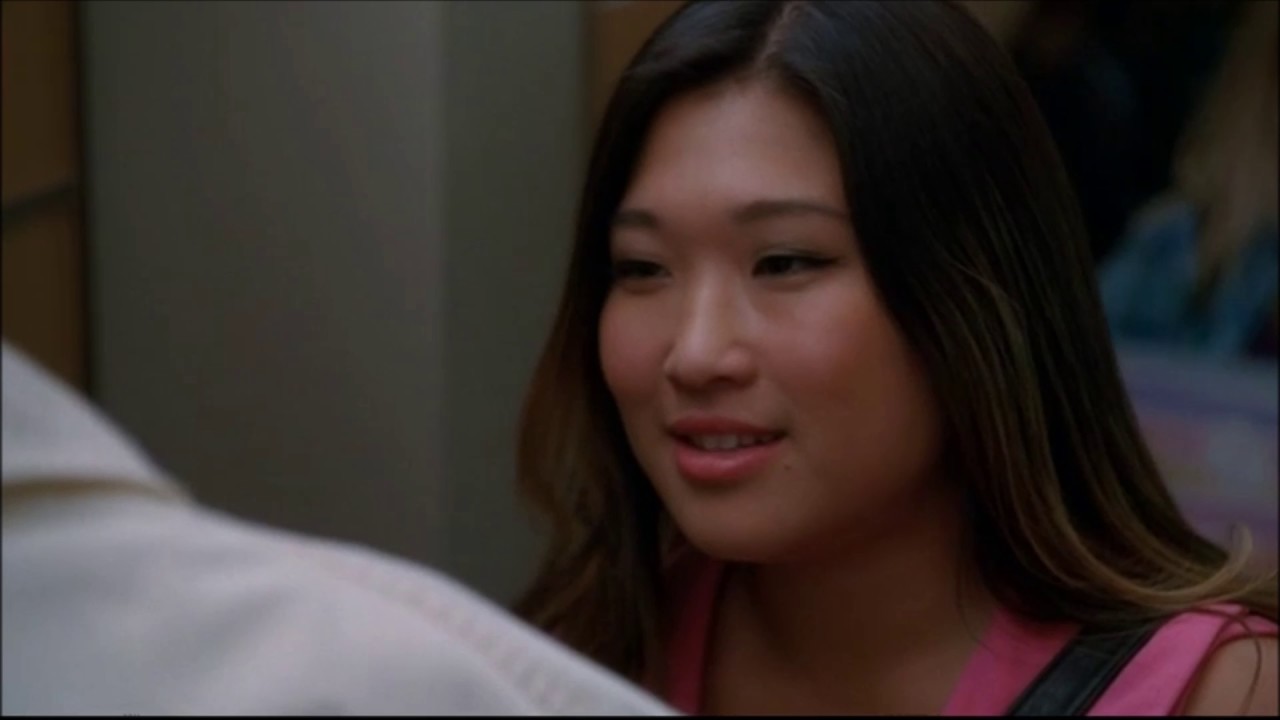
For instance, shows like Glee (2012) showcased a variety of characters, but Asian women often found themselves in roles that perpetuated stereotypes. While these roles may have been nuanced in some respects, they still largely played into outdated or harmful depictions of Asian women.

These limited roles contribute to the social perception of Asian women as one-dimensional, reinforcing stereotypes that continue to harm their opportunities in professional and social spaces.
The Intersection of Race and Gender
The concept of Asian F also highlights the intersection of race and gender. While being Asian already exposes individuals to a certain set of expectations, when combined with the female gender, the stakes are higher. Asian women often find themselves subjected to racial fetishization, where their culture and identity are commodified for the pleasure of others.
This intersectionality is key to understanding the Asian F phenomenon because it reflects the compounded pressures Asian women face in navigating both racial and gender-based discrimination. Whether it’s in dating culture, workplace dynamics, or public perception, Asian women must often balance these competing identities while confronting biases on both fronts.
The Challenges Faced by Asian Women
Racial Fetishization and Exoticism
One of the most uncomfortable and problematic aspects of being an Asian F is the racial fetishization that often accompanies it. This occurs when individuals or groups see Asian women through a lens of exoticism, reducing them to their racial background rather than seeing them as fully realized individuals. This is especially prominent in Western cultures where Asian women are often viewed as the “other” — an intriguing mystery to be explored or conquered.
This fetishization can manifest in various ways, such as a heightened focus on the physical features of Asian women, their cultural backgrounds, or a tendency to objectify them in media. It’s a form of dehumanization that denies Asian women the same agency and respect that their non-Asian counterparts often receive.
Identity Struggles and Self-Perception
In addition to external pressures, many Asian women experience a sense of internal conflict when it comes to their identity. Balancing the expectations of their cultural heritage with the demands of the predominantly Western society they live in can be exhausting. For some, it’s about reconciling family values and traditions with the need for self-expression and independence.
For others, the challenge lies in defining themselves beyond the narrow confines of stereotypical portrayals. This internal struggle often manifests in self-doubt, difficulty with self-acceptance, or a desire to assimilate to societal standards of beauty, which may or may not align with their authentic selves.
How Can We Change the Narrative?
Promoting Authentic Representation
The fight against the Asian F stereotype can begin with authentic and diverse representation in media and culture. Hollywood and other entertainment industries must continue to diversify their portrayal of Asian women, moving beyond harmful stereotypes and creating multifaceted characters who reflect the full spectrum of Asian cultures and identities.
By providing space for Asian women to tell their own stories, we can begin to break down the stereotypical barriers that confine them. Representation matters because it allows people to see themselves in the media and feel that their experiences and identities are validated.
Education and Awareness
Raising awareness about the impact of racial and gender-based stereotypes is another crucial step. People need to understand that stereotypes about Asian women are not just harmless tropes but have real-world consequences. These biases perpetuate discrimination and marginalization, and by educating others on these harmful effects, we can foster a more inclusive and empathetic society.
Supporting Asian Women in Their Empowerment
Empowering Asian women to embrace their identity and find their voice is essential. This can be done by supporting women-led businesses, amplifying Asian women’s voices in leadership roles, and encouraging the celebration of cultural diversity. Empowerment goes beyond representation; it’s about creating spaces where Asian women feel supported and able to thrive without being reduced to stereotypes.
FAQs About “Asian F”
What Does “Asian F” Mean in Popular Culture?
In popular culture, Asian F refers to the stereotypical representations of Asian women, particularly in Western media. It underscores the limited roles that Asian women have traditionally been offered in film and television, often being portrayed in ways that fit one of a few harmful stereotypes.
How Do Stereotypes Impact Asian Women?
Stereotypes impact Asian women by limiting their opportunities, reducing them to one-dimensional characters, and perpetuating biases that make it harder for them to thrive in social, professional, and personal environments. The impact of these stereotypes can be felt in dating, work, and everyday interactions.
What Can Be Done to Improve Representation?
Improving representation starts with creating authentic portrayals of Asian women in media, including nuanced characters that reflect the diversity of experiences within the community. Additionally, educating others about the harmful effects of racial stereotypes and fostering a culture of empowerment and support for Asian women can help shift societal perceptions.
Conclusion
The term Asian F is more than just a label — it represents the intersection of race and gender that shapes the lived experiences of Asian women around the world. While the term is rooted in historical stereotypes and biases, there is an ongoing movement toward changing the narrative and offering Asian women a chance to define themselves on their own terms. By promoting authentic representation, increasing awareness of the harmful effects of stereotypes, and empowering Asian women, we can begin to dismantle the outdated views that have long defined them.
Ultimately, the journey to reshaping the way Asian women are viewed and treated in society is ongoing, but with continued efforts from both individuals and communities, progress is possible.
Comment (0)