
Where Can I Find an Asian Market: A Complete Guide to Shopping for Asian Ingredients
If you’re looking to explore the vibrant and diverse flavors of Asian cuisine, visiting an Asian market is a must. These markets are treasure troves of authentic ingredients, spices, and products from all corners of Asia. Whether you’re searching for Japanese sushi rice, Chinese spices, Korean kimchi, or Indian curry powders, an Asian market will have everything you need. In this guide, we’ll explore where to find Asian markets, what you can expect to find, and tips for navigating these exciting food stores.

1. Finding an Asian Market Near You
Local Asian Grocery Stores
The first place to check for an Asian market is in your local neighborhood. Many cities, especially those with large Asian communities, have Asian grocery stores that are easily accessible. These stores often carry a wide range of products from multiple Asian countries such as China, Japan, India, Korea, and Vietnam.
- Use online maps like Google Maps or Apple Maps to search for terms like “Asian market” or “Chinese grocery store” to find stores near you.
- Many of these markets are small, family-owned businesses that offer personalized service and unique items not found in regular grocery stores.
International Grocery Chains
Some large international grocery chains also carry a selection of Asian food products, though their offerings may be limited compared to dedicated Asian markets. For example, stores like Whole Foods, Trader Joe’s, and Walmart may have international aisles with Asian sauces, snacks, and noodles.
If you’re looking for something specific, like fresh herbs, exotic fruits, or rare condiments, you may want to visit a specialized Asian market.
Tip: Check out local community centers or online forums to ask about recommended Asian markets in your area. Often, people from different backgrounds will have great suggestions on where to shop.
2. Types of Asian Markets
Asian markets vary depending on the regions they cater to, so it’s essential to understand the different types and what they specialize in.
Chinese Grocery Stores
Chinese markets are some of the most common Asian grocery stores you’ll find around the world. These stores typically carry a vast array of ingredients for Chinese cuisine, including soy sauces, rice noodles, tofu, dried mushrooms, and seafood. They may also stock unique ingredients like bird’s nest and ginseng.
Must-Have Items:
- Soy sauce
- Rice noodles
- Tea (green, jasmine, oolong)
- Tofu
- Dried mushrooms
Korean Grocery Stores
Korean grocery stores are often filled with kimchi, gochujang (Korean chili paste), and seaweed snacks. You’ll also find specialty products for Korean BBQ, including beef bulgogi marinades and fresh vegetables for banchan (side dishes). Korean markets often carry popular snacks like Pepero (chocolate-covered biscuit sticks) and a wide variety of frozen dumplings.
Must-Have Items:
- Kimchi
- Gochujang
- Gimbap ingredients (like seaweed and rice)
- Korean BBQ sauces
- Banchan sides
Indian Grocery Stores
Indian markets are essential for anyone interested in cooking Indian cuisine. These stores are typically packed with a variety of spices, lentils, rice, and flour. You’ll find ingredients for classic dishes like dal, biryani, and samosas. Indian stores also carry snacks like pani puri and mango chutney.
Must-Have Items:
- Garam masala
- Basmati rice
- Tamarind paste
- Paneer
- Curry leaves
Southeast Asian Markets
Southeast Asian grocery stores may specialize in ingredients from countries like Vietnam, Thailand, and the Philippines. These markets are perfect for those looking to make pho, pad thai, or spring rolls. Expect to find lemongrass, fish sauce, coconut milk, and palm sugar.
Must-Have Items:
- Fish sauce
- Rice paper
- Coconut milk
- Tamarind
- Lemongrass
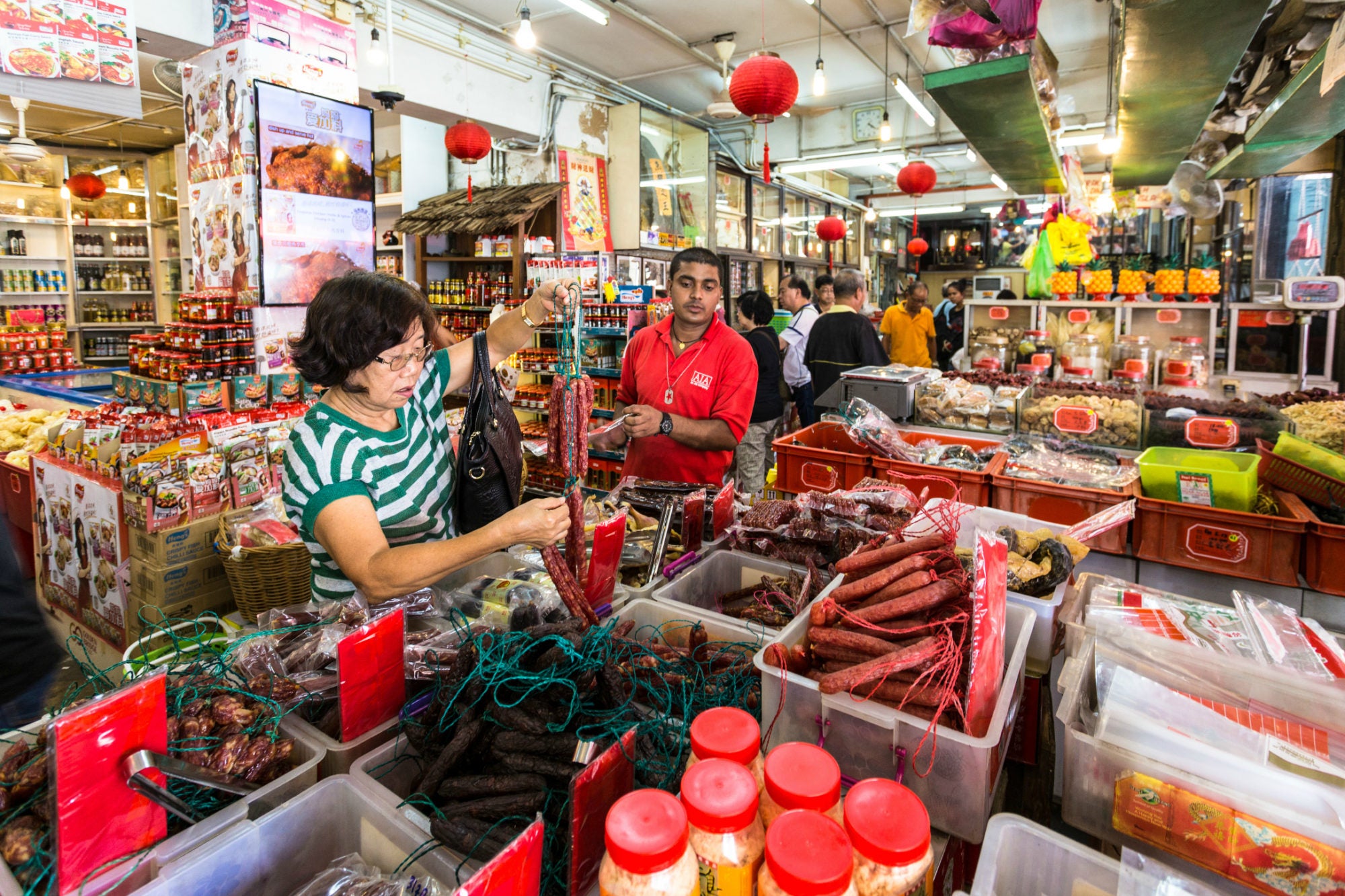
3. What to Expect in an Asian Market
A Wide Range of Fresh Produce
One of the best features of an Asian market is the fresh produce section. You’ll find a variety of vegetables and fruits that are integral to Asian cooking, such as bok choy, kale, Chinese eggplant, and lychees. Many markets also have fresh herbs like Thai basil and cilantro.
Spices and Seasonings
Asian cuisine relies heavily on spices and seasonings to add depth of flavor. In an Asian market, you’ll find a broad selection of spice blends, including curry powder, five-spice powder, turmeric, and Szechuan peppercorns. Don’t forget the essential soy sauce, rice vinegar, and sesame oil.
Frozen Foods
Frozen food sections in Asian markets are stocked with products like dumplings, bao buns, and spring rolls, making it easy to prepare an authentic meal at home. Frozen seafood such as shrimp, squid, and fish balls is also common.
Asian Snacks and Sweets
Asian markets are a haven for unique snacks and sweets. From Pocky sticks and mochi to taro chips and green tea KitKats, the snack aisles are full of exciting treats to try. You’ll also find an assortment of candied fruits and rice cakes.
4. Shopping Tips for Your First Visit
Know What You Need
Before heading to an Asian market, it’s helpful to make a shopping list of the items you need. Having a list will help you stay focused, especially since these markets can be overwhelming with their extensive selections.
Ask for Help
Don’t hesitate to ask the staff for assistance if you’re unsure about a particular ingredient. Many Asian markets have friendly employees who are happy to offer recommendations or tell you how to use specific products.
Explore the Aisles
Take your time to explore the various aisles and check out products you may not be familiar with. Many products in these markets are unique and may become a favorite in your cooking. Keep an eye out for new or unfamiliar ingredients to experiment with in your next meal.
Bring Cash
While many Asian markets accept credit cards, it’s always a good idea to bring cash just in case. Some small family-owned markets may prefer cash payments.
5. Online Asian Grocery Stores
If you don’t have access to an Asian market nearby, consider shopping online. Several websites specialize in Asian groceries, offering delivery services to many parts of the world.
Top Online Asian Grocery Stores:
- Asian Food Grocer (www.asianfoodgrocer.com) – Offers a wide selection of products from across Asia.
- Yami Market (www.yamibuy.com) – Great for purchasing Chinese, Korean, and Japanese ingredients.
- USA Oriental Mart (www.usaorientalmart.com) – Offers fresh produce, snacks, and more.
Frequently Asked Questions (FAQs)
1. How can I find an Asian market in my area?
You can find an Asian market near you by searching online on platforms like Google Maps or asking locals in community groups. Many larger cities will have a variety of options to choose from.
2. Are Asian markets expensive?
The prices in Asian markets are generally affordable, especially for staple ingredients like rice, noodles, and spices. You can often find better deals than in mainstream grocery stores.
3. Can I find authentic Asian ingredients in supermarkets?
While some supermarkets offer limited Asian ingredients, a dedicated Asian market will have a wider and more authentic selection. This is especially true for fresh produce, spices, and ethnic snacks.
Conclusion
Whether you’re a seasoned cook or just beginning your culinary journey into Asian cuisine, visiting an Asian market is a rewarding experience. These markets offer a unique shopping experience filled with exciting ingredients that can help you create authentic dishes from various Asian countries. So, next time you’re in the mood for sushi, pho, or kimchi, head over to your local Asian market or browse online to discover new ingredients and flavors.
Comment (0)