
The Asian Travel Market: A Gateway to Luxury and Adventure
The Asian Travel Market is rapidly becoming one of the most influential and growing segments in the global tourism industry. With its diverse range of cultures, landscapes, and experiences, Asia has long been a favorite destination for travelers seeking adventure, relaxation, and cultural immersion. As Asia’s economic power grows, so too does its travel and tourism industry, with luxury travel, adventure tourism, and eco-friendly experiences at the forefront of the market. In this article, we will explore the booming Asian travel market, focusing on key trends, growth drivers, and the future of travel in Asia.
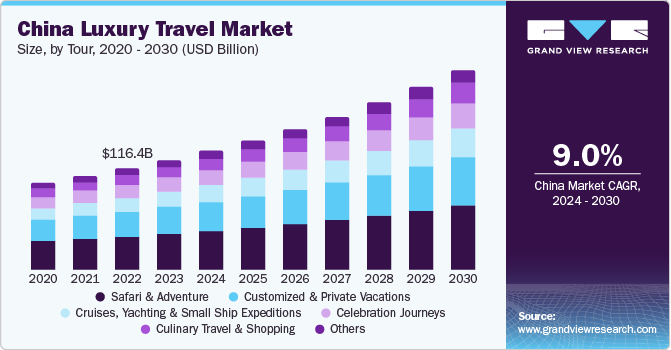
1. Overview of the Asian Travel Market
The Asian travel market is diverse, encompassing a wide variety of regions, each offering unique opportunities for both travelers and tourism businesses. Countries like China, Japan, Thailand, India, and Indonesia are some of the most popular destinations, each known for their rich cultural heritage, stunning natural landscapes, and vibrant cities.
Key Market Insights:
- Rapid Growth: Asia’s travel market is expected to continue growing, driven by both domestic and international travel.
- Economic Boom: The rising disposable incomes and emerging middle class in Asia contribute to a surge in demand for luxury and unique travel experiences.
- Diverse Demand: From beach resorts in Thailand to the highlands of Bhutan, the market caters to all kinds of travelers—adventure seekers, luxury vacationers, and eco-tourists.
This expansion is supported by technological advancements, more affordable travel options, and government initiatives that promote tourism.
2. Key Drivers of the Asian Travel Market
Several factors are fueling the growth of the Asian travel market. Let’s dive into the major drivers shaping the region’s tourism industry.
2.1. Growing Middle Class in Asia
Asia’s middle class is expanding at an unprecedented rate. According to the World Economic Forum, by 2030, over 60% of the world’s middle class will reside in Asia, particularly in countries like China, India, and Southeast Asia. This demographic shift results in increased spending on luxury travel, entertainment, and leisure activities. As disposable incomes rise, more people are able to afford international vacations, luxurious resorts, and high-end experiences.
2.2. Rising Popularity of Luxury Travel
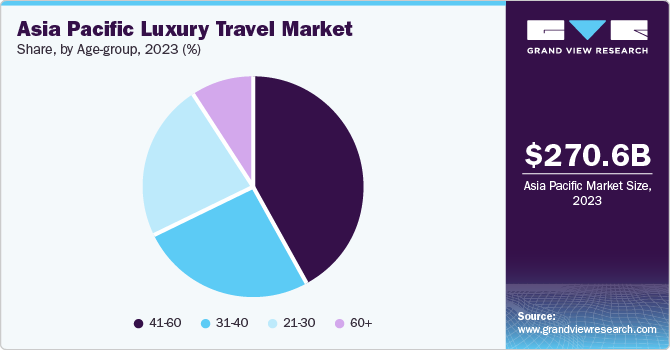
The luxury travel market in Asia has witnessed rapid growth over the last decade. With affluent travelers seeking personalized and exclusive experiences, destinations like Japan, Singapore, and the Maldives are becoming hotspots for high-end tourism.
Asia’s luxury sector is not just about opulent accommodations but also about unique experiences such as private yacht tours, gourmet dining, and bespoke travel itineraries. The demand for such experiences continues to rise, especially from travelers in China, Hong Kong, and India.
2.3. Digital Transformation in the Travel Sector
Technology has become a driving force behind the growth of the Asian travel market. With digital platforms offering seamless booking processes, personalized recommendations, and better customer service, travelers can now easily explore new destinations and book trips with a click of a button. The rise of online travel agencies (OTAs) and travel apps has made planning and booking travel easier than ever before.
Moreover, technologies like artificial intelligence and virtual reality are being utilized to enhance traveler experiences, from virtual tours of destinations to AI-driven customer service for personalized recommendations.
3. Popular Travel Trends in Asia
As the Asian travel market grows, several travel trends are shaping the way people explore the region. Here are some key trends to keep an eye on:
3.1. Sustainable and Eco-Friendly Travel
Sustainability is becoming a major priority for many travelers in Asia. From eco-luxury resorts in Thailand to sustainable tourism practices in Bhutan, travelers are increasingly choosing destinations and experiences that minimize environmental impact.
As a result, many tourism boards are promoting green travel initiatives, such as eco-lodges, carbon-neutral travel packages, and nature-based tourism.
3.2. Adventure and Experiential Travel
Adventure tourism is booming across Asia. Travelers are seeking authentic, off-the-beaten-path experiences, such as trekking in the Himalayas, exploring ancient temples in Cambodia, or going on wildlife safaris in Sri Lanka.
From mountain biking in Vietnam to scuba diving in the Philippines, Asia offers a wide variety of adventure travel options that attract thrill-seekers from around the world.
3.3. Wellness Tourism
As wellness becomes a key focus for many travelers, Asia is increasingly seen as a haven for wellness tourism. Thailand, Bali, and India are famous for offering world-class spas, yoga retreats, and holistic healing experiences.
Travelers are looking for opportunities to rejuvenate, relax, and improve their mental and physical well-being. Whether through traditional Ayurvedic treatments or luxurious spa therapies, Asia is leading the charge in the wellness tourism sector.
4. The Impact of China on the Asian Travel Market
China plays a central role in the development of the Asian travel market. With its growing middle class and expanding outbound tourism, Chinese travelers are having a significant impact on the global travel industry.
4.1. The Power of Chinese Tourists
China has become the world’s largest source of outbound tourists, with millions of Chinese citizens traveling each year to destinations across Asia and beyond. Popular countries for Chinese tourists include Thailand, Japan, South Korea, and Singapore.
Chinese tourists tend to have a high spending power, especially in the luxury travel sector. This has led to an increased demand for high-end shopping, dining, and exclusive experiences in key Asian cities.

4.2. The Belt and Road Initiative
The Belt and Road Initiative (BRI), a project launched by China, aims to improve trade routes and connectivity between China and countries across Asia and Europe. As part of this initiative, new travel infrastructure is being built, creating more opportunities for tourism growth across Asia. The BRI is expected to increase the flow of tourists, stimulate local economies, and improve the overall travel experience in participating countries.
5. Challenges Facing the Asian Travel Market
Despite the significant growth and potential of the Asian travel market, there are challenges that need to be addressed for continued success:
5.1. Over-Tourism
Certain destinations, particularly in Southeast Asia, are facing the issue of over-tourism. Popular locations like Bali and Phi Phi Islands have seen a surge in tourists, which has led to environmental degradation and strain on local resources. To combat this, governments are promoting sustainable tourism practices and encouraging travelers to explore lesser-known destinations.
5.2. Political Instability
Political instability in some regions can impact travel patterns. For example, countries like Myanmar and Hong Kong have experienced political challenges that have affected tourism. Travelers are advised to monitor political situations before planning their trips.
6. FAQs: The Asian Travel Market
1. What is the largest travel market in Asia?
China is the largest travel market in Asia, both as a source of outbound tourists and as a destination for international travelers.
2. Which Asian countries are most popular for luxury travel?
Countries like Japan, Thailand, Singapore, and the Maldives are top destinations for luxury travel in Asia.
3. How can I tap into the Asian travel market as a business?
Businesses can tap into the Asian travel market by understanding local trends, establishing partnerships with Asian travel agencies, and promoting luxury travel and eco-tourism options.
7. Conclusion: The Future of the Asian Travel Market
The Asian travel market is poised for even more exciting growth in the coming years. With an expanding middle class, a growing demand for luxury travel, and a shift toward more sustainable tourism, Asia offers immense potential for both travelers and businesses. By staying informed about travel trends and being flexible to changing demands, you can make the most of the opportunities this dynamic market has to offer.
Asia’s diverse landscapes, rich cultures, and luxurious offerings make it one of the most desirable places for travelers around the world. Whether you’re looking to relax on a beautiful beach, explore ancient temples, or embark on an adventure, the Asian travel market has something for everyone.
Comment (0)